


Understanding Window Tinting
What is Window Tinting?
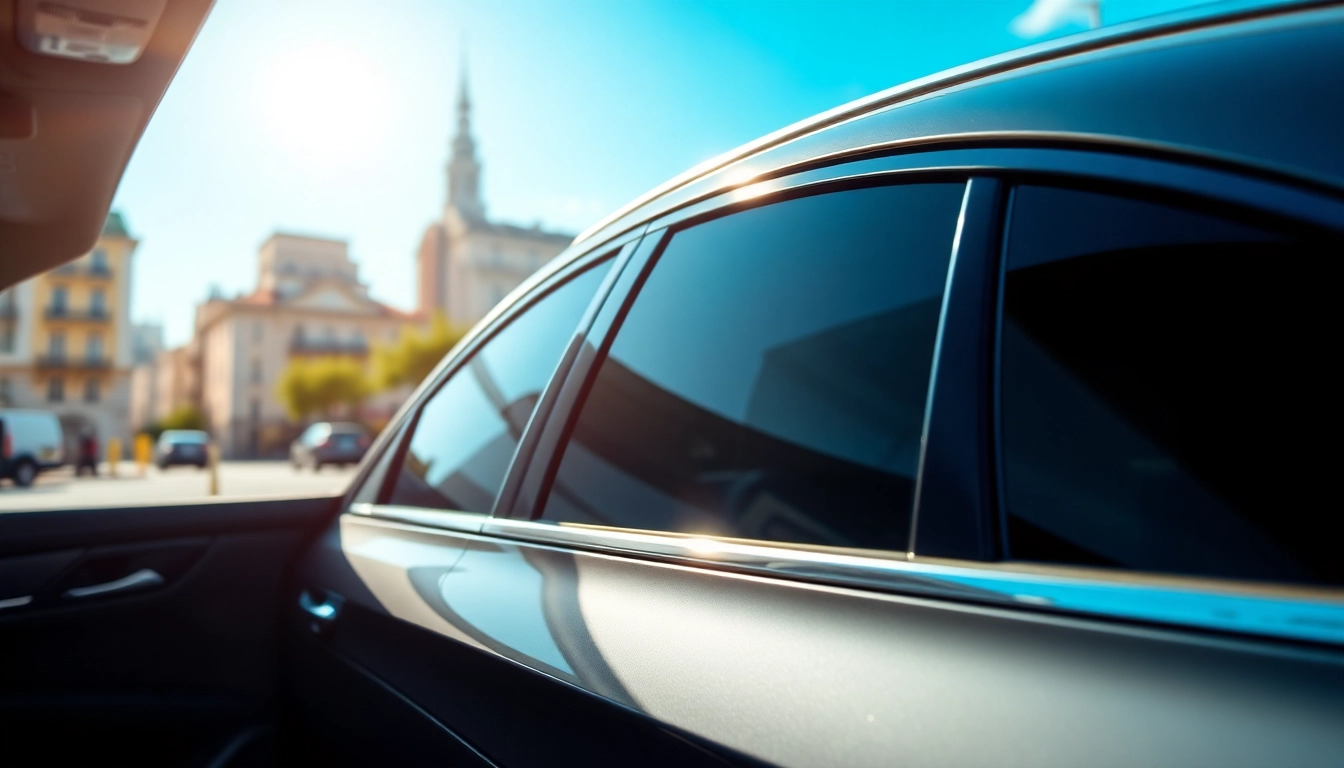
Window tinting involves applying a thin film to the glass surfaces of vehicles, homes, or commercial spaces to reduce glare, heat, and UV radiation. This film comes in various shades and materials, providing both aesthetic and functional benefits. When considering window tint near me, it’s essential to understand the different types of films available and how they can enhance your space.
Benefits of Tinting Your Windows
Window tinting offers numerous advantages. The primary benefits include:
- UV Protection: Tinted windows block up to 99% of harmful ultraviolet rays, protecting your skin and preventing interior fading.
- Heat Reduction: Window films reflect heat, maintaining a cooler interior temperature, which can reduce air conditioning costs.
- Glare Reduction: Tints significantly decrease glare, improving visibility and comfort for drivers and passengers.
- Privacy: Tinted windows offer increased privacy, shielding your vehicle or home from prying eyes.
- Aesthetic Appeal: A stylish tint can enhance the overall look of your vehicle or property, adding a touch of sophistication.
Varieties of Window Tint Films
There are several types of window tint films, each offering different functionalities:
- Dyed Window Film: This film absorbs heat and provides enhanced privacy but offers limited UV protection.
- Metalized Window Film: Contains metal particles that reflect heat and provide durability, but they may interfere with electronic signals.
- Ceramic Window Film: High-quality and premium option that offers excellent heat rejection without blocking signals, ideal for modern vehicles.
- Hybrid Window Film: Combines the benefits of dyed and metalized films, offering a balanced solution for car owners.
Choosing the Right Window Tint
Factors to Consider Before Tinting
When selecting window tint, consider the following factors:
- Local Regulations: Different states have varying laws regarding tint darkness and reflectivity; always check local regulations.
- Purpose: Determine what you want to achieve—is it heat reduction, glare reduction, or privacy?
- Type of Vehicle or Property: The material and structure of your windows may influence the type of film suitable for your needs.
- Budget: Window tint prices vary widely depending on the type of film and quality of installation.
Legal Regulations on Window Tint
Understanding local regulations is crucial to avoid penalties. Many states specify the permissible levels of tint darkness for different windows in vehicles. For instance, while some jurisdictions allow darker tints on rear windows, they may have stricter laws for front-facing windows. Always consult your local Department of Motor Vehicles or equivalent authority to ensure compliance.
Where to Find Window Tint Near Me
Finding reliable window tint installation services can be done easily with a few simple searches. To locate the best options:
- Utilize online search tools like Google Maps or Yelp to identify nearby services.
- Read reviews and testimonials from previous customers to gauge service quality.
- Request quotes and ask questions about their experience and materials used.
Installation Process Explained
Preparing Your Vehicle for Tinting
Preparation is key to a successful window tinting project. Ensure your vehicle is clean and free from dirt and debris. Roll down the windows slightly to allow for proper air circulation during the installation. Professional installers might also check the condition of the glass and window seals to ensure adhesion quality.
Step-by-Step Tint Installation
The installation process can be broken down into these key steps:
- Measuring Windows: Accurate measurements ensure the right film size is cut for each window.
- Cuts and Trimming: Film is cut and trimmed to size before application to minimize excess material.
- Application: The film is applied using a specialized adhesive, and installers work to eliminate air bubbles.
- Drying Time: Allow the film to cure according to manufacturer specifications before rolling down windows.
Common Mistakes to Avoid
Many factors can lead to unsatisfactory results during the tinting process. Avoid common pitfalls such as:
- Skipping Preparation: Not cleaning the windows or pre-treating them can compromise the installation.
- Poor Quality Film: Opting for lower-cost options may result in fading and bubbling over time.
- Ignoring Local Laws: Ensure compliance with local regulations to avoid fines or removal of the tint.
Maintaining Your Tinted Windows
Cleaning Tips for Tinted Windows
Keeping tinted windows clean can prolong their lifespan. Here are some recommended practices:
- Use a soft, microfiber cloth to avoid scratching the film.
- Avoid ammonia-based cleaners, as they can deteriorate the film over time. Stick to pH-balanced solutions.
- Gently clean the interior side of windows after the tint has cured for at least a week.
How to Care for Your Tint
Proper care for your tinted windows will preserve their appearance and functionality. Here are some guidelines:
- Avoid using hard bristle brushes or abrasive materials that could scratch the film.
- Keep windows rolled up for the first few days after installation to ensure the film adheres correctly.
- Inspect the edges of the film regularly for lifting or peeling, which may require professional attention.
Signs Your Tint Needs Replacement
Your window tint can exhibit several signs indicating it might be time for a replacement:
- Fading: Loss of color indicating UV protection may no longer be effective.
- Bubbles: Presence of air bubbles signifies poor adherence or film deterioration.
- Peeling: Edges beginning to lift can affect visibility and aesthetics.
Frequently Asked Questions
1. How long does window tint last?
Depending on the quality, window tint can last from five to ten years.
2. Can I tint my windows myself?
DIY tinting is possible, but professional installation ensures better results and longevity.
3. What are the best types of window tint?
Ceramic and metallic tints offer superior heat rejection and UV protection.
4. Is dark tint illegal?
Each state has specific regulations; check your local laws regarding tint darkness.
5. Can window tint be removed?
Yes, professionals can safely remove window tint without damaging the glass.